Architecting the Future of Learning: My Experience at the K-Club World Conference 2025 at Korea University
Earlier this July, I traveled to Seoul to attend the very first K-Club World Conference, hosted by Korea University as part of its 120th founding anniversary. It's a big year for the university, and I felt incredibly honored to be invited not just as a guest, but as one of its newly appointed international adjunct professors (I officially joined this February: see my announcement).
I've been to a number of academic events over the years, but this one stood out. It was a rare blend of meaningful conversations, global perspective, and that sense of warmth you only get when people are genuinely excited to learn from each other.
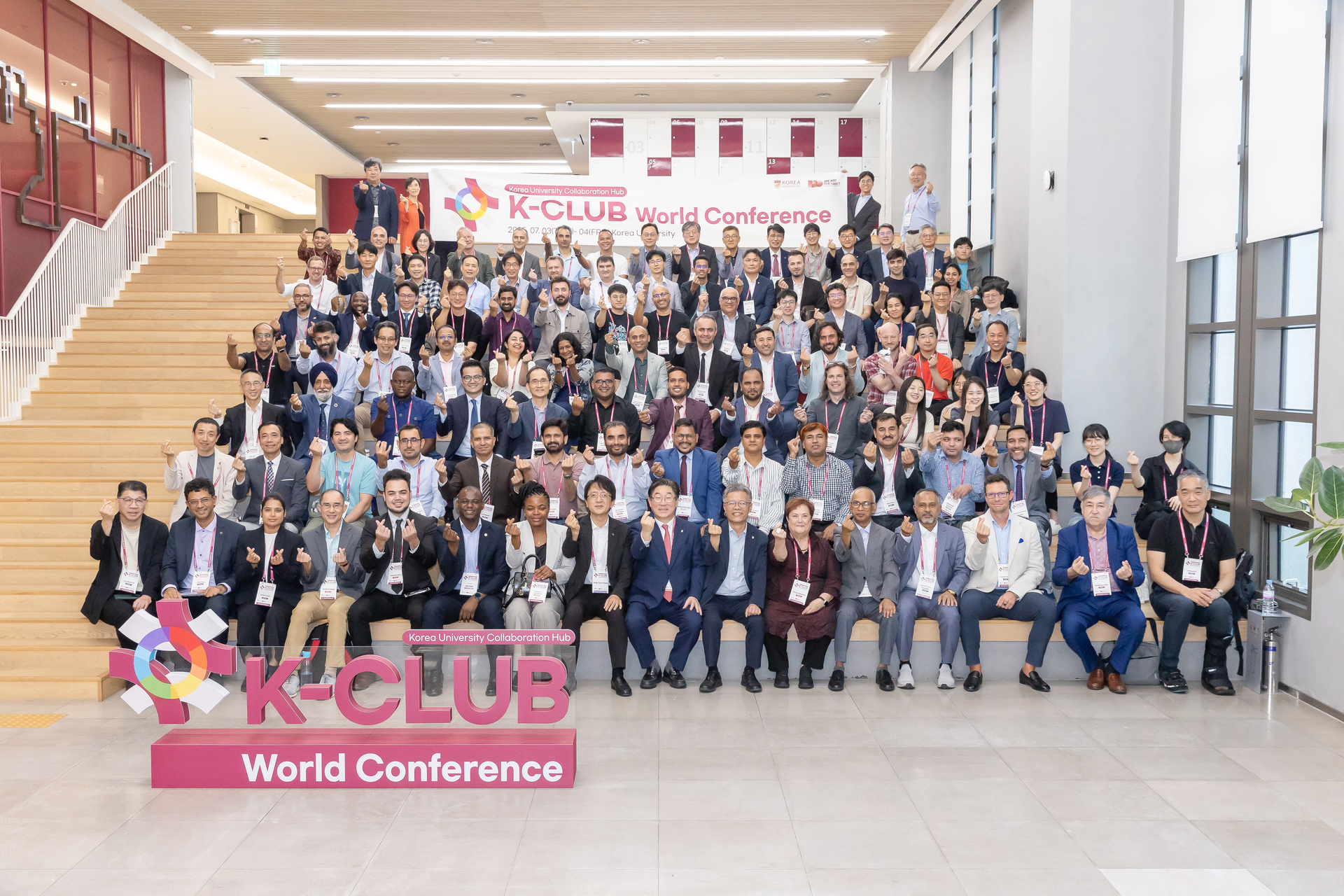
So, What Exactly Is the K-Club World Conference?
You're not alone if this is the first time you're hearing about it. It's new. The K-Club World Conference is Korea University's initiative to bring together adjunct professors from around the world, creating a global community of scholars connected to the university in diverse ways.
The conference theme was "Knowledge and Technology for Sustainable Earth," and the slogan, "Next Intelligence for Planetary Solution," really set the tone. Over two days, we explored how different fields can contribute to solving the most pressing problems of our time.
There were nine thematic groups, covering everything from smart engineering and public health to governance and climate resilience. I was part of Theme 2: Education for Future Generation, which focused on how we prepare learners for a world that's constantly changing. See all the themes here.
My Talk: Architecting the Future of Learning
In our theme, I gave a talk titled "Architecting the Future of Learning through Educational Innovation and Emerging Technologies." It's a topic close to my heart. I spoke about how my works on how we redesign learning environments to be more flexible, tech-integrated, and human-centered.
Educational technology, however, wasn't widely represented in our group. In fact, I think there were only two of us working in that space. Most of the other participants, while deeply invested in education, came from more traditional academic backgrounds or different research areas entirely. That mix made for some unexpected but valuable conversations. I did my best to bridge those disciplinary gaps and to make educational innovation relevant and relatable, even to those outside the space. It pushed me to speak more clearly about the "why" behind the work I do, and how emerging technologies aren't just tools—they're shaping the entire context in which future learning happens.
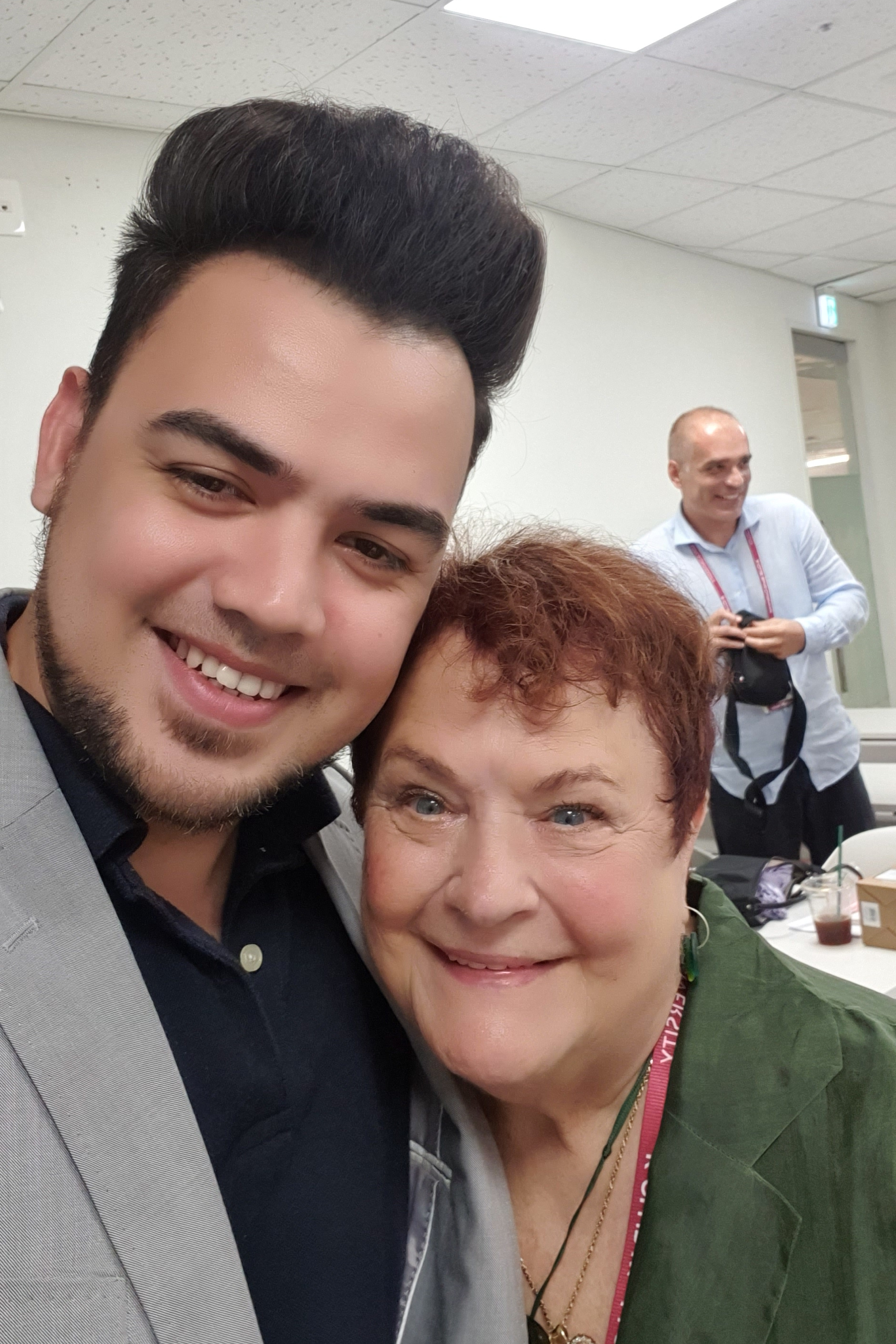
What made it even more special was the company. I was seated next to Professors Patricia Alexander and Allan Wigfield, two incredibly respected figures in educational psychology. If you've read anything in that field, you've probably come across their work. What struck me most was not just their brilliance, but their kindness. There's something grounding about being reminded that the people who shape how we think about learning can also be humble, generous, and genuinely curious.
Learning Beyond Education
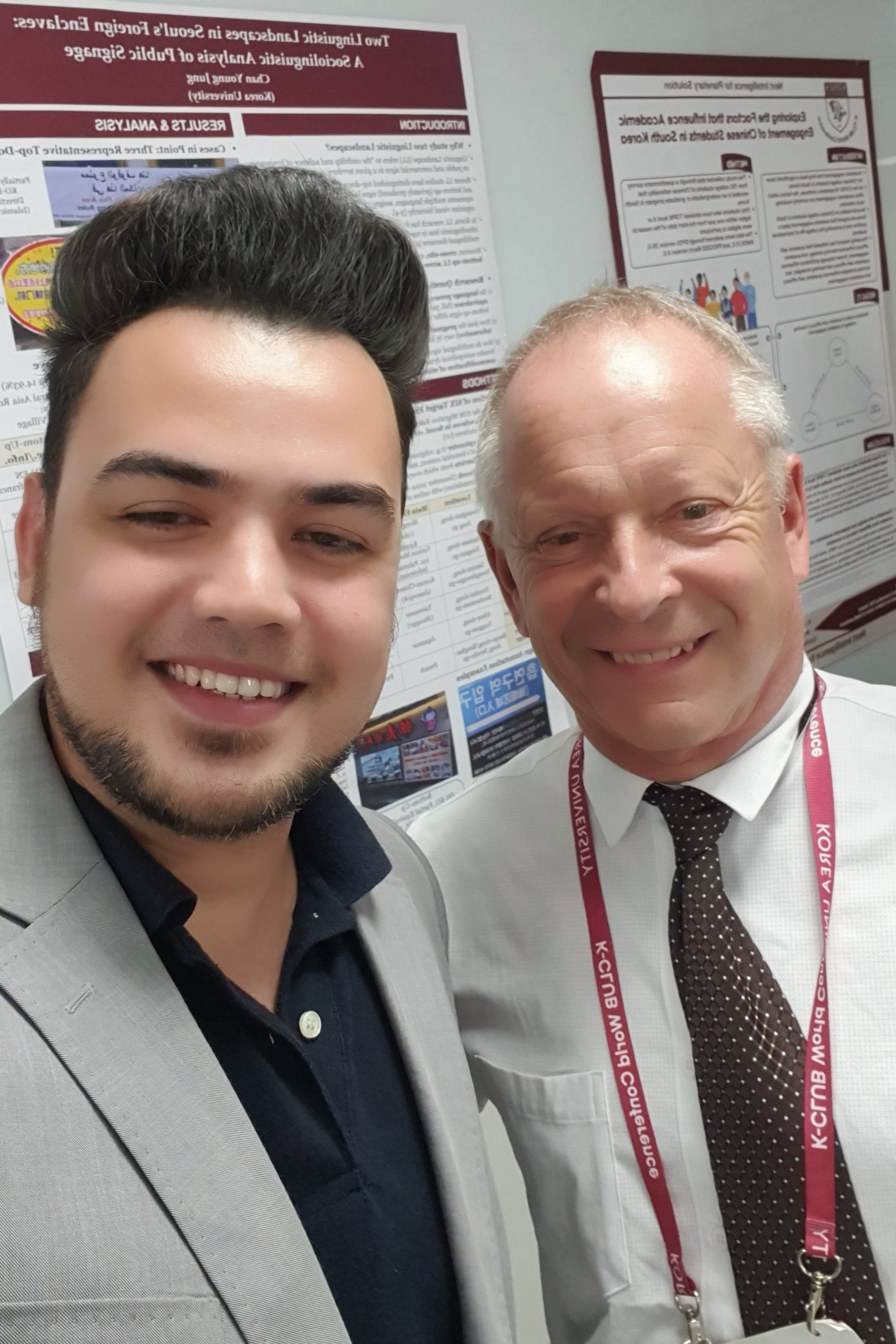
While education was my home base at the conference, I found myself in conversations that went far beyond it. One of the most fascinating chats I had was with Dr. Isaac Yi Kim, a urologic oncologist and surgeon from Yale University, who specializes in prostate cancer. We talked about how medical fields are rapidly evolving through new technologies and innovation. At one point, he casually mentioned that his favorite nurse is Filipino. As a Filipino myself, I couldn't help but smile. It was a small, genuine moment of connection that stayed with me. It reminded me how deeply intertwined our cultures are within the fabric of global healthcare.
Then there was my conversation with Dr. Henry Lik Yuen Chan from The Chinese University of Hong Kong, whose work focuses on liver disease and broader public health issues. That one happened by chance. After the first day of the conference, I went down to the hotel gym late at night for a quiet workout. I thought I'd have the place to myself until he walked in. One minute we were stretching; the next, we were deep into a conversation about public health research and the purpose of our respective fields.
These unexpected conversations pulled me out of my disciplinary bubble in the best way. At one point, I shared this reflection on LinkedIn: "Disciplinary boundaries are porous when curiosity takes over."
It couldn't have felt more true.
A New Vision for Adjunct Professors
Now, I know “adjunct professor” doesn't always sound glamorous. In many places, adjuncts are seen as temporary or peripheral. But at Korea University, it's different. Their approach is something I deeply respect.
Rather than treating adjunct faculty as part-time extras, they're building a global network of collaborators: people who contribute to teaching, research, and the broader intellectual mission of the university from wherever they are in the world.
To me, that's the future of higher education. It's flexible, relational, and grounded in shared purpose. It lets institutions stay dynamic and globally connected while giving educators like me a chance to engage meaningfully without uprooting everything.
Culture, Community, and a Few Surprises
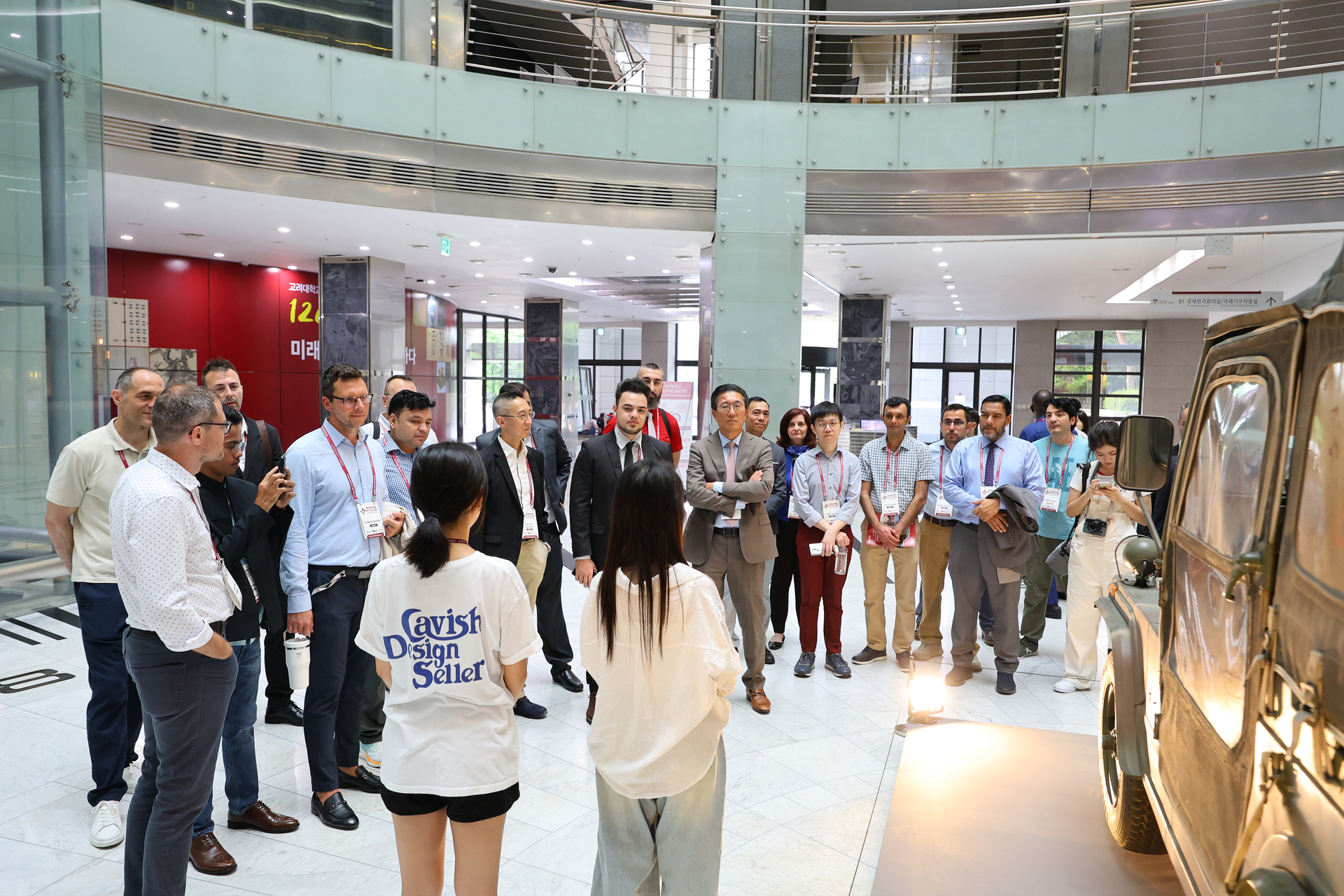
The day began with something familiar but still full of surprises: a guided campus tour. I had actually visited Korea University back in April for a more personal, exclusive visit, so this wasn't my first time walking through the campus. Still, seeing it again in the context of the conference added a new layer of appreciation. We learned more about the university's history, architecture, and student life—details I hadn't picked up during my earlier visit. Even the places I had already seen felt different when experienced alongside fellow scholars. It was a thoughtful way to begin the day and helped build a sense of connection, both to the university and to each other.
That sense of culture and community carried into the evening. One of the highlights for me was a traditional Korean performance on the first evening. It was beautiful, intense, and, honestly, kind of nerve-wracking (in the best way). That was followed by a dinner banquet hosted by Prof. Dong-One Kim, the President of Korea University. There were toasts, laughter, and some surprisingly deep conversations over shared dishes.
On Day 2, we had another dinner, this time hosted by Prof. Tae Ho Yu, Dean of the College of Education. As someone representing the education theme, I really appreciated this gesture. It felt personal, like the college was not only welcoming us, but also actively investing in our place within Korea University's broader academic family. These kinds of moments don't always happen at large-scale conferences, and I didn't take it for granted.
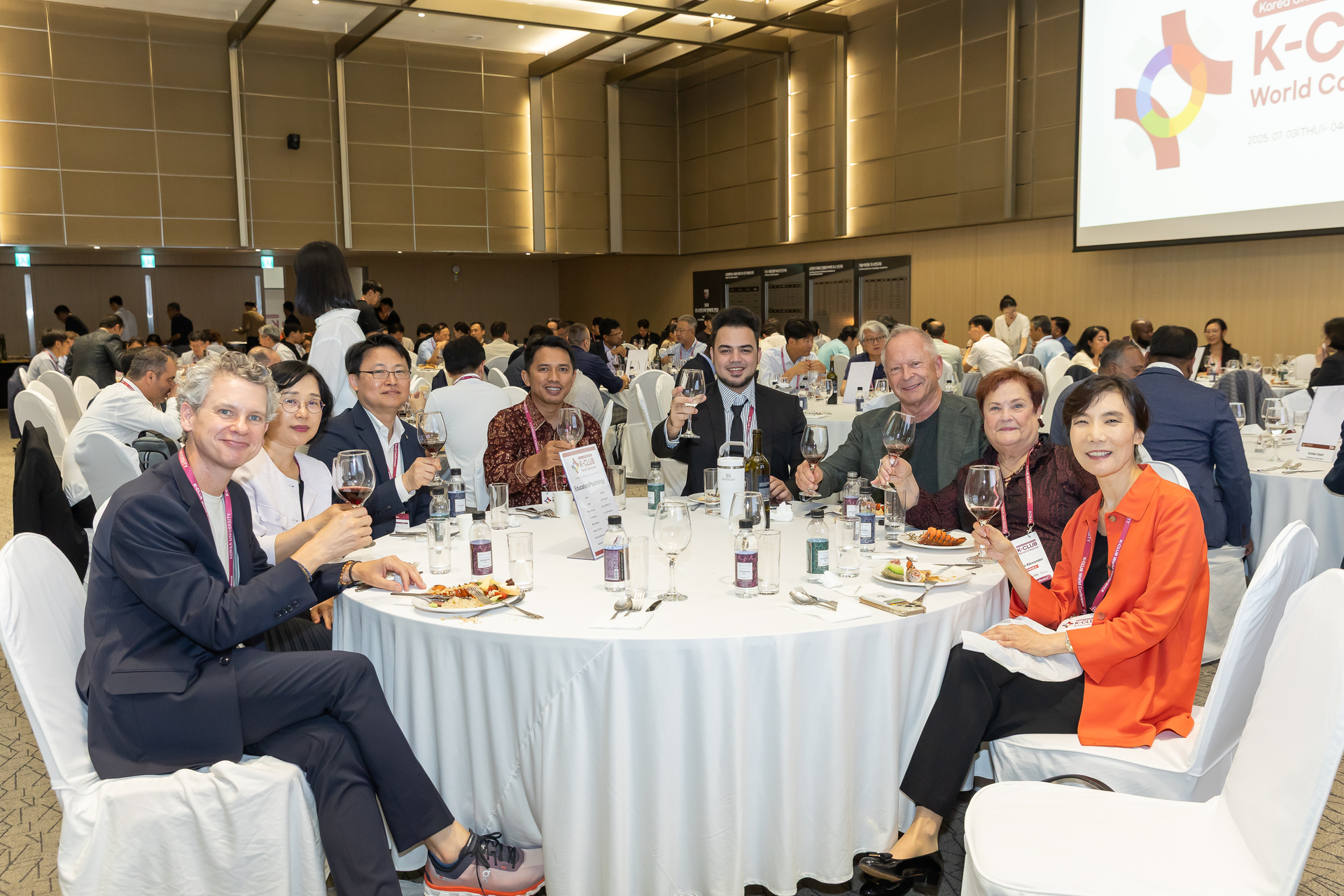
That evening also gave me the chance to connect more closely with Korea University faculty. I had great conversations with Prof. Sou Hyun Jang from the Department of Sociology, and Prof. Mimi Bong, Director of the Brain & Motivation Research Institute (bMRI). I also got to spend time with Prof. Sangmin Lee, my Korea University partner, which made the experience feel all the more grounded and collaborative. There was a real sense of mutual respect and shared purpose at the table.
Oh, and I have to mention the limited edition Korea University tumbler we received. Sleek, minimalist, and stamped with the university's emblem, it was the kind of conference swag you actually want to keep. It's already made its way into my daily routine both as a useful desk companion and a reminder of the conversations, connections, and shared sense of purpose that defined the week.
It was little things like this that made the conference feel special. The best gatherings don't just connect ideas. They connect people and leave behind small, tangible reminders of what we're building together.
Final Thoughts
Leaving Seoul, I felt more than just inspired. I felt connected to a community of scholars, to a university with a bold global vision, and to the idea that education, when done right, can be a force for planetary-scale change.
This first K-Club World Conference felt like the start of something much bigger. It wasn't just a celebration of Korea University's 120th anniversary. It was a sign that they're thinking seriously about the next 120 years, and how we, as educators and researchers, can help shape them.
I'm grateful to be part of this growing global network, and I'm looking forward to where these conversations take us next.