
Crossing the 2000-Citation Milestone on Google Scholar: A Journey of Perseverance and Progress
My Google Scholar citations reached 2,000 in August 2024, just ten months after the first thousand. A reflection on research growth, persistence, and impact.
Six years to reach the first thousand. Less than ten months to reach the next. After years of writing, revising, publishing, and occasionally wondering whether anyone was actually reading my research, my Google Scholar profile has officially surpassed 2,000 citations!
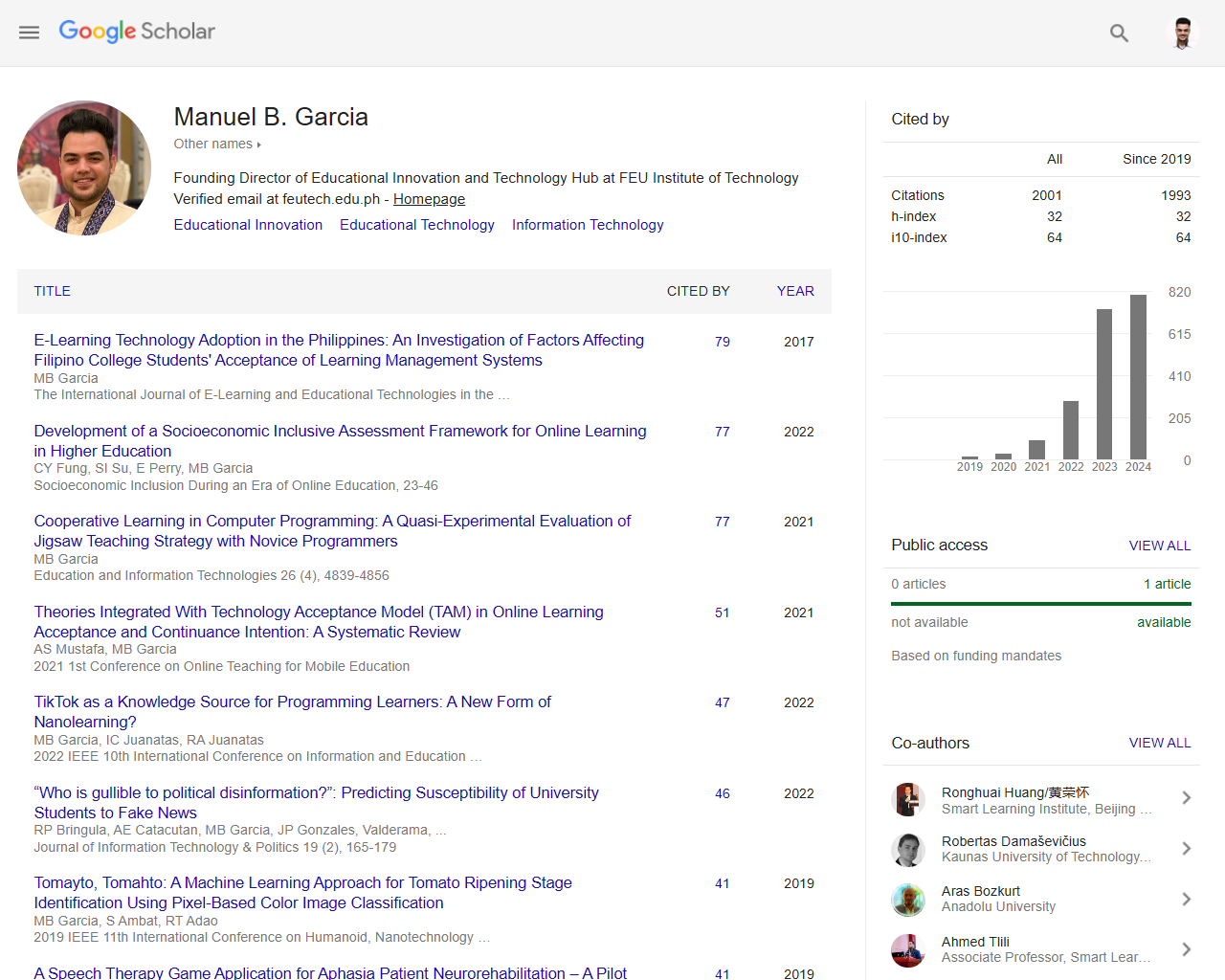
When I reached my first 1,000 citations on November 2, 2023, it had been approximately six years since my first research publication in 2017. That first thousand felt like a long journey, but the next thousand arrived much sooner than I expected. By August 26, 2024, my citation count had climbed to 2,001. Apparently, research citations have their own sense of timing.
A Humble Beginning and an Evolving Goal
When I first embarked on this research journey, my goal was simple: publish a paper in a journal. Just one. I wanted to see my name in print, contribute something to the field, and experience what it meant to become a published researcher. At the time, even that seemed like a considerable achievement.
My first publication appeared in 2017, and I gradually discovered that research was not simply about getting a paper published. It was about asking worthwhile questions, exploring ideas, learning from criticism, and contributing knowledge that others might eventually find useful. One publication led to another, new research interests emerged, and collaborations opened opportunities I had not initially anticipated.
Of course, the journey was not always straightforward. Behind every published paper were countless hours of reading, writing, revising, and responding to reviewers. Some manuscripts progressed smoothly, while others seemed determined to test my patience. I suppose that is part of the academic experience. If research teaches us anything beyond our respective disciplines, it is how to wait for an email from a journal editor.
Looking back, I find it interesting how a goal that began with publishing a single paper eventually developed into a much broader commitment to research. What once felt like an uphill battle gradually became an opportunity to contribute to conversations extending beyond my own institution and research community.
The Journey So Far
To document this journey, I have started keeping a historical record of my Google Scholar citation milestones, including the corresponding h-index and i10-index at each point. These figures offer a glimpse of how my research profile has developed over time.
| Google Scholar Metrics | 1,000 | 2,000 |
|---|---|---|
| Publications | 69 | 89 |
| Citations | 1,001 | 2,001 |
| h-index | 19 | 32 |
| i10-index | 44 | 64 |
| Date | November 2, 2023 | August 26, 2024 |
Note: The figures reflect historical Google Scholar screenshots recorded at each milestone, rather than current citation metrics. Dates correspond to the documented milestone announcements. Click the citation milestone headings to read their corresponding articles.
What makes this progression particularly meaningful to me is the time it took to move from one milestone to the next. After approximately six years to reach my first 1,000 citations, it took just nine months and 24 days to reach 2,000. During that interval, my h-index increased from 19 to 32, while my i10-index rose from 44 to 64. Seeing these changes together provides a more complete picture of how my published work has gained scholarly attention.
Still, I recognize that citation growth is not necessarily linear, nor does a faster accumulation of citations automatically indicate better research. Publication volume, research visibility, collaboration, and the growing relevance of particular topics can all influence these indicators. Nevertheless, the progression is encouraging, especially when I remember how long that first thousand took.
Beyond the Numbers
Although reaching 2,000 citations is personally meaningful, I have always believed that citations should not be the sole measure of research success. They tell us something about scholarly attention, but they cannot fully capture the practical significance of a study, the people it has helped, or the ideas it may have inspired.
This is particularly important in educational technology, where the value of research should extend beyond academic publications. A study that informs classroom practices, supports teachers in adopting new technologies, or helps institutions make better educational decisions may have a meaningful impact even if its citation count remains modest.
At the same time, there is something rewarding about knowing that other researchers have encountered my work and found it relevant to their own studies. Whether they are extending an idea, applying a framework, or critically examining a finding, each citation represents a scholarly connection that may contribute to further inquiry.
For aspiring researchers, especially those still working toward their first publication, I hope this milestone offers a little encouragement. Research is rarely a straightforward journey, and recognition does not always arrive quickly. Some contributions take years to find their audience, and that does not make the effort any less worthwhile.
On to the Next Thousand
When I published my first paper in 2017, I never imagined that I would eventually be writing about reaching 2,000 citations. My ambition then was simply to publish something worthwhile. Everything that followed has been a learning experience, shaped by opportunities, challenges, collaborations, and the continued pursuit of questions that interest me.
I remain grateful to the colleagues, collaborators, mentors, and fellow researchers who have been part of this journey. Their contributions, encouragement, and willingness to exchange ideas have made the experience far more meaningful than any numerical milestone could suggest.
As I move forward, I hope to continue producing research that contributes to knowledge, informs practice, and addresses problems worth investigating. The citation count may continue to grow, but the motivation remains much the same as it was when I started: to ask meaningful questions and hopefully contribute something useful through the answers.
As for the next thousand, I suppose we will see how long Google Scholar makes me wait.
Hopefully, not another six years!
Feel free to explore my research papers through my publications page or visit my Google Scholar profile to see the work behind these milestones and my latest citation indicators.